
- All
- Product Name
- Product Keyword
- Product Model
- Product Summary
- Product Description
- Multi Field Search
Views: 0 Author: Site Editor Publish Time: 2026-10-28 Origin: Site


Replacing faded wood mulch every spring is a tedious and expensive chore. Watching traditional gravel wash away into the lawn during the first heavy rainstorm is equally frustrating. Imagine stepping out into your backyard and walking across a crisp, bright coastal surface that offers a deeply satisfying crunch beneath your feet. In this technical guide, we will explore the engineering and aesthetic advantages of repurposed marine materials. You will discover how to upgrade your outdoor living spaces using a highly durable, eco-friendly landscaping alternative. This material not only dramatically boosts curb appeal but also actively conditions the soil chemistry beneath it.
Eco-Friendly Engineering: Utilizing fragmented shells repurposes massive volumes of natural byproducts from the commercial seafood industry. This diverts waste from local landfills and drives a functional circular economy.
Pest Deterrence and Weed Control: The sharp, angular edges of the fragmented material create a harsh physical barrier against soft-bodied pests. Meanwhile, their dense mechanical compaction starves aggressive weeds of sunlight.
Active Soil Conditioning: As the mineral matrix degrades over decades, it slowly leaches elemental calcium into the earth. This provides a natural, chemical-free method to buffer pH levels for plants that thrive in alkaline conditions.
Structural Versatility: This specific aggregate boasts exceptional load-bearing stability and rapid drainage. It is perfectly suited for high-traffic pathways, residential driveways, garden beds, and fire pit surrounds.
Straightforward Installation: Constructing a permeable pathway requires only standard landscaping tools, proper subgrade excavation, and a heavy-duty geotextile fabric.
Recent landscape architecture market analyses reveal a massive, industry-wide pivot toward sustainable, permeable hardscaping materials. With shifting global climate patterns causing an increase in severe, concentrated rainfall events, urban planners and residential contractors are rapidly abandoning impermeable concrete and asphalt. Permeable solutions are experiencing a massive surge in commercial demand. They actively mitigate dangerous stormwater runoff by allowing heavy rain to naturally percolate into groundwater aquifers, rather than overwhelming aging municipal sewer systems. Furthermore, the modern push for circular economy materials has positioned marine byproducts at the absolute forefront of eco-conscious design. What was historically considered a hazardous landfill burden is now engineered into a premium, highly functional landscape asset.
A premium sea shell aggregate is a specialized landscaping material composed entirely of fragmented bivalves. Before these materials ever reach a residential job site, commercial-grade shells must undergo a rigorous industrial sterilization process. Reputable manufacturers thoroughly wash and heat-treat the raw material at extreme temperatures to eradicate all residual organic tissue. This critical step ensures the final product is completely sanitary and odorless. Once sterilized, heavy industrial crushers mechanically break the shells down. They are then precisely screened into uniform size classifications—such as 2-6mm for fine top-dressing, or 9-12mm for heavy-duty driveway applications—making them suitable for highly specific hardscaping requirements.
Different bivalve species possess distinct structural densities and aesthetic profiles. Understanding these mechanical differences is vital for specifying the correct material for your site conditions.
Shell Type | Structural Durability | Aesthetic Profile | Primary Landscaping Application |
|---|---|---|---|
Oyster Shells | Exceptionally high. Resists crushing under heavy vehicular loads. | Earthy grey, muted off-white, and subtle tan variations. | Driveways, high-traffic pedestrian pathways, and professional bocce courts. |
Clam Shells | Moderate. Slightly more brittle than dense oyster varieties. | Brilliant, stark white that intensely reflects ambient sunlight. | Garden borders, low-traffic accent walkways, and architectural edging. |
Scallop Shells | Low to Moderate. Often preserved in larger, curved fragments. | Distinctive decorative curves featuring mixed pink, white, and brown hues. | Surface-level top dressing for raised garden beds and potted containers. |
The industrial production of these aggregates represents a triumph in sustainable resource management. The global seafood processing sector generates millions of tons of shell waste annually. Historically, these massive volumes were dumped into landfills, creating localized environmental hazards. Today, advanced manufacturing facilities intercept this waste stream. By specifying this material for your property, you actively reduce municipal landfill burdens while utilizing a fully natural, biodegradable mineral resource that ultimately enriches the local ecosystem.
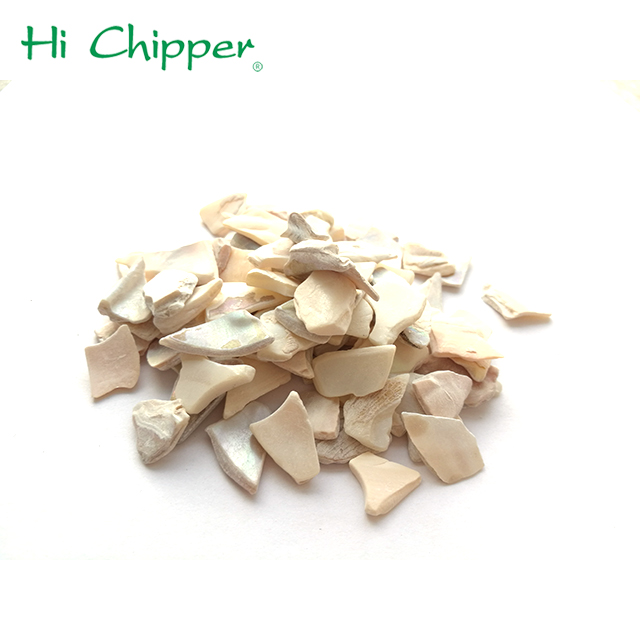
From a strict design perspective, incorporating a decorative shell delivers a high-contrast visual impact that traditional organic mulches simply cannot replicate. The bright white and soft grey tones feature a naturally high albedo effect, meaning they reflect a significant amount of solar radiation. This reflective property visibly brightens heavily shaded garden zones. It also establishes a striking, crisp architectural boundary against dark green foliage or rich topsoil.
In stark contrast to round river rock or pea gravel—which act like tiny ball bearings that constantly shift underfoot—fragmented shells feature angular, highly irregular edges. When foot traffic or mechanical compaction is applied, these flat pieces lock together tightly like a puzzle. This creates a remarkably stable, load-bearing surface that strongly resists lateral displacement. Despite this tight surface compaction, the irregular underlying matrix remains highly porous. Rainwater drains rapidly into the subsoil, completely eliminating surface puddling and runoff.
When installed at the recommended depth of two to three inches, a compacted shell layer functions as an impenetrable inorganic mulch. The dense, interlocking structure blocks ultraviolet light from reaching the soil surface, effectively neutralizing dormant weed seeds. Furthermore, because the mineral surface does not retain moisture like decaying wood chips, it creates a bone-dry, hostile environment for any airborne seeds attempting to establish a taproot.
The functional versatility of this marine aggregate extends far beyond basic ground cover. Professional landscape contractors frequently utilize these materials to solve specific site challenges while elevating the outdoor aesthetic.
A brilliant white walkway is a fundamental element of coastal landscape architecture. Beyond the visual crispness, it provides a distinct auditory benefit. The deeply satisfying crunch underfoot naturally guides visitors through garden zones. Additionally, the highly reflective surface clearly delineates the walking path during low-light evening conditions, enhancing property safety.
When installed over a properly excavated and compacted crushed-stone base layer, oyster shells offer a highly resilient alternative to traditional asphalt. The interlocking fragments distribute vehicle weight evenly across the subgrade. Over time, the daily friction of vehicle tires crushes the top layer slightly further, establishing a densely packed, cement-like surface that miraculously retains its water permeability.
Safety is the primary metric when designing outdoor fire features. Because the material consists almost entirely of calcium carbonate minerals, it is naturally non-combustible. This makes it an exceptionally safe ground cover for fire pit zones. As the surface weathers and compacts over the first season, the sharp edges tumble down, eventually evolving into a smooth, barefoot-friendly patio space.
Specifically using a garden shell as an inorganic mulch helps regulate volatile soil temperatures. The light-colored surface reflects intense summer radiation, keeping the delicate root zones significantly cooler than heat-absorbing dark wood bark. This protective mineral layer also slashes soil moisture evaporation rates, noticeably reducing the frequency of irrigation required during mid-summer droughts.
Historically, finely pulverized oyster shells have served as the premier surface material for professional European bocce ball courts. The specialized aggregate compacts into a firm, flawlessly smooth plane that allows heavy resin balls to roll with absolute consistency. Meanwhile, the superior drainage profile ensures the court remains dry and fully playable just minutes after a torrential downpour.
Creating a rigid physical separation between turfgrass and planting beds is crucial for long-term landscape maintenance. Digging a narrow perimeter trench and filling it with bright clam fragments creates a sharp architectural line. This barrier stops invasive grass rhizomes from creeping into delicate beds. Concurrently, the microscopic sharp edges of freshly laid fragments serve as a formidable physical barricade against soft-bodied mollusks. Surrounding susceptible hostas or strawberries with a thick protective ring effectively deters slugs and snails without relying on toxic chemical baits.
The primary chemical compound in this marine material is calcium carbonate. As the aggregate is exposed to acidic rainwater and natural soil microbes, it undergoes an incredibly slow degradation process. This gradual breakdown releases elemental calcium directly into the soil profile. Calcium is a vital macronutrient that reinforces plant cell walls and stimulates aggressive root expansion. Concurrently, the calcium carbonate acts as a powerful natural buffering agent, gradually neutralizing acidic soils and raising the pH level.
Before deploying this material heavily around existing plantings, you must test your soil's baseline pH. Plants that naturally thrive in neutral to alkaline environments with a pH of 7.0 to 8.0 will respond aggressively to the slow-release calcium infusion.
Plant Category | Compatible Species | Engineering Benefit of the Mulch |
|---|---|---|
Mediterranean Herbs | Lavender, Rosemary, Thyme, Oregano | Perfectly replicates their native rocky, fast-draining, alkaline soil conditions. |
Fruiting Vegetables | Tomatoes, Cabbage, Broccoli | The steady calcium supply actively prevents blossom-end rot in heavy-fruiting crops. |
Ornamental Shrubs | Clematis, Lilacs, Dianthus | Enhances overall bloom vigor by neutralizing overly sour, acidic topsoil. |
Conversely, this aggregate must never be utilized as ground cover around acid-loving ericaceous plants. The gradual spike in soil alkalinity will trigger severe nutrient lockout in these specific species, paralyzing their ability to absorb essential iron. This rapidly induces chlorosis, which physically manifests as the yellowing of healthy foliage. Keep this material well away from Azaleas, Rhododendrons, Blueberries, Hydrangeas, and delicate Ferns.
To make a structurally sound decision for your upcoming project, you must objectively compare this coastal aggregate against conventional hardware store materials.
Versus Round Pea Gravel: Shells are significantly lighter by volume, reducing the physical strain of wheelbarrow transport. Their angular geometry allows them to interlock tightly. They will not roll away, scatter across sidewalks, or sink into muddy lawns like round gravel inevitably does. However, they can be slightly more brittle initially and may break down faster than solid granite. Depending on your distance from coastal processing plants, freight costs can sometimes elevate their price point above locally quarried rock.
Versus Organic Wood Mulch: Unlike shredded bark, mineral aggregates do not decompose rapidly. This completely eliminates the grueling, expensive chore of annual mulch replacement. They possess enough mass to remain wind-resistant, will not float away during flash floods, and absolutely never attract wood-destroying insects like subterranean termites or carpenter ants. On the downside, because they are purely mineral-based, they will not inject rich organic humus or nitrogen back into the topsoil.
Constructing a durable, professional-grade pathway is a highly manageable weekend project. Success relies entirely on strict attention to subgrade preparation and proper compaction techniques.
Begin by clearly marking the pathway perimeter using marking paint. Carefully excavate the existing topsoil to a depth of two to three inches for a standard pedestrian walkway. If you are engineering a load-bearing driveway, you must excavate four to six inches to accommodate a compacted crushed-stone sub-base. Ensure the bottom of the trench is relatively level and cleared of large rocks or aggressive roots.
To prevent the aggregate from migrating into adjacent lawns over the years, you must install a rigid perimeter edging system. Heavy-duty galvanized steel edging, mortared brick pavers, or pressure-treated timbers are highly effective. The top lip of the edging should sit perfectly flush with, or slightly above, the final planned grade of the pathway surface.
This is arguably the most critical structural phase of the installation. Roll out a commercial-grade, non-woven geotextile landscape fabric directly across the excavated subgrade. This specialized membrane serves two vital engineering functions. First, it prevents aggressive subterranean weeds from penetrating upward. Second, it acts as a load-bearing structural net that physically prevents the clean aggregate from sinking into the muddy subsoil during heavy spring thaws. Pin the fabric tightly to the earth using heavy steel landscape staples driven in every three feet.
Carefully distribute the crushed shell evenly across the secured geotextile fabric. Utilize a heavy steel bow rake to push and pull the material until it achieves a uniform depth of two to three inches. If the pathway is exceptionally wide, rake a very slight crown into the center line. This subtle slope forces heavy rainwater to shed quickly toward the outer edges.
For the pathway to become immediately walkable and stable, the irregular fragments must be forced to interlock. Lightly mist the entire surface with a hose. The added moisture suppresses silica dust and acts as a lubricant during compaction. Next, use a heavy steel hand tamper to rhythmically pound the surface flat. You will feel the pieces locking together into a rigid matrix. For expansive residential projects like driveways, renting a motorized vibratory plate compactor is highly recommended to achieve maximum structural density.
Transitioning from the design phase to procurement requires accurate volume calculations and a strict understanding of material quality standards. Proper math prevents frustrating material shortages and eliminates the wasted expense of over-ordering.
Landscaping aggregates are universally sold by volume, typically measured in cubic yards. To determine the exact volume required, calculate the total square footage of the project area and multiply it by your target depth.
For standard foot traffic, a compacted depth of two inches provides excellent stability and weed suppression. For driveways or parking pads subjected to heavy mechanical loads, a minimum depth of three to four inches is mandatory to ensure structural integrity and prevent subgrade rutting.
Project Area Square Footage | Target Depth | Required Volume | Typical Application Scenario |
|---|---|---|---|
50 sq. ft. | 2 Inches | 0.33 Cubic Yards | Small garden accents and architectural borders |
100 sq. ft. | 2 Inches | 0.66 Cubic Yards | Short utility walkways and patio perimeters |
150 sq. ft. | 2 Inches | 1.00 Cubic Yard | Standard residential garden pathways |
300 sq. ft. | 2 Inches | 2.00 Cubic Yards | Expansive patios and fire pit surrounds |
500 sq. ft. | 3 Inches | 4.60 Cubic Yards | Light-duty residential driveways |
1,000 sq. ft. | 4 Inches | 12.30 Cubic Yards | Heavy-duty parking pads and commercial courts |
Pro Tip: Always order an additional 10% of material to account for natural settling, heavy mechanical compaction, and minor spillage during the installation phase.
The processing standard of your chosen material dictates the long-term success of the installation. Raw, unprocessed waste sourced directly from fishing docks often contains rotting organic tissue. If applied to a residential property, unwashed fragments will decompose anaerobically, generating severe odors and instantly attracting rodent infestations.
It is imperative to procure material exclusively from established industrial manufacturers. Look for suppliers who guarantee high-temperature heat treatment, aggressive industrial washing, and precise mechanical screening. These strict quality control measures ensure the aggregate is 100% sterile, biologically inert, and uniformly sized for optimal compaction.
One of the greatest engineering advantages of this material is its incredibly low-maintenance profile. However, implementing a basic seasonal maintenance routine will preserve the permeability and pristine aesthetic for decades.
Organic debris, such as fallen autumn leaves and stray grass clippings, must be removed from the surface promptly. If allowed to decay, this organic matter turns into compost, clogging the porous interstitial spaces between the shells. This destroys the drainage profile and creates a fertile top layer where weed seeds can germinate. Utilize a flexible leaf blower on a low idle setting to gently clear the surface without blasting the compacted aggregate out of place.
Because the material is natural calcium carbonate, it will slowly biodegrade over the years due to acidic rain and mechanical friction. To restore the original bright aesthetic and maintain the target depth, simply broadcast a light, one-inch top-dressing of fresh material every three to four years.
Absolutely not, provided you purchase commercially processed material. The misconception stems from individuals attempting to use raw, unwashed waste directly from the docks. Reputable landscape suppliers subject the raw shells to high-pressure industrial washing and extreme heat sterilization. The resulting product is completely inert. It consists solely of calcium carbonate minerals and emits zero odor, even during periods of extreme heat and high humidity.
Immediately following installation, the freshly fractured edges can be abrasive, making them less than ideal for heavy barefoot traffic. However, this is a temporary condition. As the surface is subjected to daily foot traffic, mechanical friction, and rainfall, the sharp edges quickly grind against one another. Within a few months, the fragments become mechanically tumbled, wearing down into a smooth, tightly compacted surface. For areas requiring immediate barefoot comfort, such as pool decks, specifying a heavily tumbled or finer grade is recommended.
Properly sterilized, commercial-grade shells do not attract pests, rodents, or insects. Because all organic meat and tissue are eradicated during the high-heat manufacturing process, there is zero food source left to attract wildlife. In fact, the sharp, dry mineral surface actively deters soft-bodied garden pests like slugs and snails.
Yes, they are exceptionally beneficial for tomatoes and other heavy-fruiting crops. Tomatoes are highly susceptible to blossom-end rot, a physiological disorder caused by a severe calcium deficiency in the soil. As the shells slowly break down, they provide a steady, long-term infusion of elemental calcium directly to the root zone, reinforcing plant cell walls and maximizing fruit yield.
A pathway installed over a properly compacted subgrade with a heavy-duty geotextile fabric boasts an impressive lifespan. Unlike organic wood mulch that rots into soil within twelve months, calcium carbonate degrades at a glacial pace. The foundational structure will remain solidly intact for decades. It typically only requires a minor one-inch top-dressing every few years to replace the microscopic percentage of material lost to natural weathering.
No, they exhibit exceptional resistance to water erosion. Round pea gravel acts like ball bearings, easily scattering when subjected to flowing water. In stark contrast, flat, angular shell fragments interlock tightly when compacted. This creates a highly cohesive structural matrix that refuses to shift. Furthermore, the inherent porosity of the aggregate bed allows heavy rainwater to percolate rapidly through the surface and safely into the subsoil, completely preventing the surface runoff that typically causes erosion.
Crushed sea shells represent a brilliant intersection of aesthetic elegance, structural engineering, and environmental responsibility. By replacing shifting gravel or rapidly decaying wood mulch with this premium coastal aggregate, you dramatically upgrade surface drainage, establish a formidable weed barrier, and provide a slow-release calcium treatment for your soil. Whether you are engineering a high-traffic garden path, a fire-safe patio, or a heavy-duty permeable driveway, proper subgrade preparation will guarantee a durable, low-maintenance hardscape for decades. Evaluate your specific site requirements, calculate your total square footage, and select the appropriate grade of sterilized material from a reputable manufacturer like HiChipper Group to execute a flawless landscape transformation.

