
- All
- Product Name
- Product Keyword
- Product Model
- Product Summary
- Product Description
- Multi Field Search
Views: 0 Author: Site Editor Publish Time: 2026-01-20 Origin: Site


Is crushed glass safer than traditional abrasives? Does it contain silica? Many industries prefer crushed glass, but it's important to understand its silica content.
In this article, we’ll explore if crushed glass contains silica and compare its health and environmental risks.
You’ll learn how crushed glass can be a safer, eco-friendly choice. Hi Chipper offers high-quality products that provide safety and sustainability.
Crushed glass is made from recycled glass products such as bottles, jars, and windows. It is processed by crushing and tumbling the glass to create uniform particles. These particles are then used for a variety of applications, including sandblasting, decorative landscaping, and industrial surface preparation.
Crushed glass is known for its reflective properties and can add aesthetic value to projects like garden features, pathways, and other outdoor elements. It is also a sustainable and cost-effective alternative to more traditional abrasive materials. Many industries now choose crushed glass as a safer, greener option, reducing the need for raw materials and minimizing environmental harm.
The process of making crushed glass begins with collecting and cleaning used glass products. The glass is then crushed into small, uniform particles and tumbled to smooth the sharp edges. This process ensures that the glass is safe to handle and use in various applications.
Hi Chipper’s crushed glass products are available in a variety of sizes, including fine crushed glass for delicate textures and coarse crushed glass for use in more robust applications like road construction or concrete aggregate. These products are engineered for durability and long-lasting performance.、
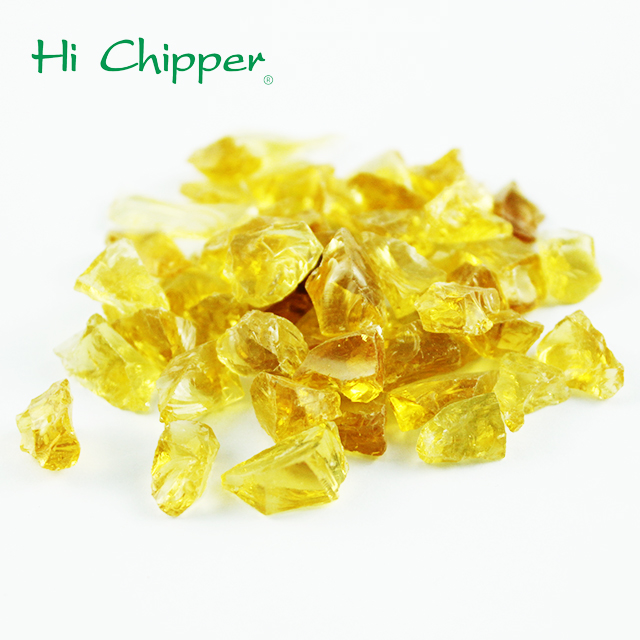
A common concern is whether crushed glass contains silica, and if so, whether it poses the same risks as traditional abrasives. Crushed glass contains amorphous silica, a type of silica that differs from crystalline silica found in sand. Unlike crystalline silica, which can cause severe health issues like silicosis, amorphous silica is chemically inert and does not pose the same health risks when it is inhaled.
Crushed glass is therefore considered a safer abrasive. While it does contain silica, it lacks the harmful crystalline structure found in traditional sand, making it a non-toxic option in many industries.
Silica Type | Structure | Health Impact | Found In |
Amorphous Silica | Non-crystalline | Low risk | Crushed Glass, Glass Beads |
Crystalline Silica | Crystalline | High risk (silicosis) | Sand, Traditional Abrasives |
Because crushed glass contains no free crystalline silica, it is often marketed as a silica-free abrasive. This makes it a safer alternative to traditional materials like silica sand, which have long been associated with serious respiratory issues in industries such as sandblasting. By using crushed glass, workers are less exposed to harmful particles, and companies can comply with stricter safety regulations.
Inhalation of crystalline silica dust is known to cause several serious health conditions, including silicosis, a progressive lung disease, and lung cancer. When traditional abrasives like silica sand are used, the risk of these diseases increases due to the high content of free silica particles in the dust created during blasting.
In contrast, the amorphous silica found in crushed glass does not have the same harmful properties as crystalline silica. The closed structure of amorphous silica prevents the particles from lodging in the lungs, reducing the risks associated with traditional abrasives.
Therefore, crushed glass is a safer choice for sandblasting and surface preparation. It not only minimizes the risk of respiratory diseases but also offers an eco-friendly solution that helps reduce environmental impact.
One of the key advantages of using crushed glass is that it is made from 100% recycled glass. This helps reduce landfill waste, minimizes the need for new raw materials, and lowers the carbon footprint associated with traditional abrasives. By choosing crushed glass, industries can contribute to sustainability efforts and create a more eco-friendly workplace. This environmentally responsible choice not only supports recycling but also reduces reliance on mining and other resource-extracting practices, further contributing to a healthier planet.
In landscaping, crushed glass is also an environmentally responsible choice. It can be used for pathways, garden accents, and other outdoor features, providing visual appeal without the environmental cost of traditional materials. Crushed glass offers the dual benefit of being eco-friendly while enhancing the beauty of outdoor spaces.
In landscaping, crushed glass is used for creating decorative features that add color and shine to gardens and pathways. Its reflective properties make it a striking addition to any outdoor space, especially in areas where a vibrant or unique aesthetic is desired. Unlike organic materials like mulch that need frequent replacement, crushed glass is durable and long-lasting. This durability ensures that landscaping features retain their beauty over time without requiring constant upkeep. Moreover, using crushed glass helps reduce the use of non-renewable materials, contributing to a more sustainable approach in garden design.
Crushed glass offers several advantages over traditional abrasives like silica sand:
● Safer: Crushed glass is silica-free in terms of crystalline silica, reducing the health risks associated with traditional sandblasting media, such as respiratory issues and diseases like silicosis.
● Environmentally friendly: Made from 100% recycled materials, it helps reduce waste and is non-toxic, making it a safer choice for both workers and the environment.
● Cost-effective: Crushed glass is often more affordable than other abrasives, and its reusability leads to significant savings over time. Industries can reduce costs by using crushed glass in multiple cycles, minimizing material waste.
When compared to other abrasives like garnet or copper slag, crushed glass is more sustainable and offers a better safety profile. Unlike some abrasives that contain heavy metals, crushed glass is non-toxic and safe for workers. This makes it an excellent choice for industries with strict safety and environmental standards. Additionally, the use of crushed glass in sandblasting and other abrasive applications contributes to a safer, greener workspace, without compromising on performance.
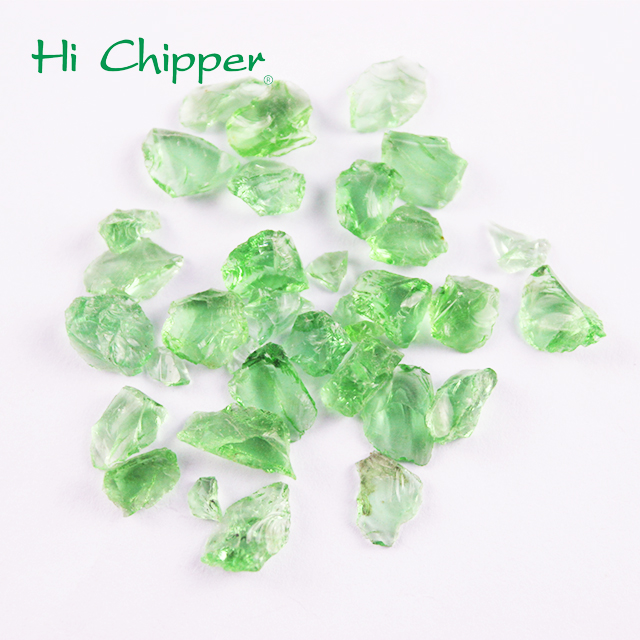
Crushed glass is widely used in sandblasting for cleaning and preparing surfaces. Its angular particles are effective at removing rust, paint, and other surface contaminants from materials such as metal, concrete, and fiberglass. Compared to traditional abrasives like sand, crushed glass provides a safer and more eco-friendly alternative without sacrificing performance. It allows industries to meet their cleaning and surface preparation needs while minimizing health risks.
Crushed glass also creates a cleaner working environment by reducing the risk of inhaling harmful dust particles, making it a better option for workers in industries that require sandblasting.
Crushed glass is also used in several other industrial applications, including polishing, concrete finishing, and rust removal. Its versatility and durability make it an ideal material for a range of surface preparation tasks. Whether used for cleaning delicate surfaces or preparing materials for coating, crushed glass provides a high-quality, safe, and cost-effective solution.
Crushed glass is often more affordable than traditional abrasives like silica sand and garnet. Since it is made from recycled glass, the material costs are lower than those of raw materials. Additionally, crushed glass is reusable, which helps save on long-term material costs. Its durability also ensures that it doesn’t need to be replaced as frequently as other abrasives, making it a more economical choice for many industries.
Although the initial cost of crushed glass may be higher than that of traditional abrasives, its reusability and low maintenance make it a smart investment. Crushed glass can be used for multiple cycles without needing to be replaced, unlike organic abrasives like sand. This contributes to long-term cost savings in industries that require abrasives, as it can be used longer and requires less frequent replenishment. By choosing crushed glass, industries not only benefit from the environmental advantages but also see financial savings over time.
Crushed glass is a safer, cost-effective, and eco-friendly alternative to traditional abrasives. Although it contains silica, it’s made from amorphous silica, which is less harmful than crystalline silica found in sand. Crushed glass is ideal for applications like sandblasting, surface preparation, and landscaping.
Hi Chipper offers high-quality, eco-friendly crushed glass products that meet industry performance standards. Their products provide both safety and sustainability for your next project.
A: Yes, crushed glass contains amorphous silica, which is different from the crystalline silica found in traditional sandblasting materials. It is much safer and less harmful to health.
A: Yes, crushed glass is safe for sandblasting. It contains amorphous silica, which poses minimal health risks compared to traditional crystalline silica abrasives.
A: Crushed glass contains amorphous silica, which does not cause respiratory issues like crystalline silica. It is a non-toxic and eco-friendly option for abrasive applications.
A: Crushed glass is often more cost-effective than silica sand due to its reusability and lower material costs, providing long-term savings for industrial applications.

