
- All
- Product Name
- Product Keyword
- Product Model
- Product Summary
- Product Description
- Multi Field Search
Views: 0 Author: Site Editor Publish Time: 2026-08-12 Origin: Site


Commercial architects and flooring contractors are increasingly shifting from strictly aesthetic aggregates to functional materials. We see a rapidly growing demand for flooring solutions offering both daytime design value and critical nighttime utility. Standard commercial floors often miss this dual-purpose mark, remaining entirely dependent on external power sources. While traditional Terrazzo Glass provides excellent color consistency and sparkle, integrating photoluminescent materials requires specific evaluation. You must carefully assess resin compatibility, aggregate loading ratios, and long-term lifecycle durability before beginning any pour.
This guide breaks down exactly how to evaluate, specify, and implement Glow Glass Chips in commercial terrazzo and decorative surface projects. We will explore key material differences, outline practical installation steps, and define exact sizing guidelines. By understanding these variables, you ensure predictable, compliant results that elevate both the safety and aesthetic appeal of your next architectural design.
Dual Functionality: Glow glass chips act as standard decorative terrazzo glass during the day and emit absorbed ambient light in low-light conditions, actively supporting passive wayfinding.
Material Superiority: Unlike porous marble, non-porous glass aggregates resist bacterial growth, require zero sealing, and offer exact color-matching capabilities.
Implementation Dependency: Achieving a uniform glow requires precise aggregate loading ratios (typically 10–20% of the total aggregate mix) and proper grinding/polishing techniques to expose the luminescent core.
Specification Readiness: Evaluating these chips requires verifying light charge times, emission duration, and Mohs hardness ratings for high-traffic commercial viability.
Standard commercial flooring heavily relies on external lighting networks. Facility managers depend entirely on overhead fixtures to maintain safety and direct pedestrian traffic. This traditional approach increases building energy loads significantly. Furthermore, it introduces critical risks during sudden power failures or emergency grid disconnections. If the power goes down, navigating a massive commercial space like an airport or transit hub becomes immediately hazardous. We need better passive architectural solutions to mitigate these everyday risks.
Embedding Glow Glass Chips directly into the floor matrix transforms static surfaces into an active safety infrastructure. The greatest advantage here is achieving this functionality without altering the daytime aesthetic of your architectural design. Under normal daylight or artificial illumination, the floor looks perfectly standard. The aggregates simply blend into the overall design pattern. However, when the primary lights go out, the embedded chips seamlessly guide the way.
Building codes constantly evolve to prioritize passive occupant safety. Photoluminescent pathways directly support these commercial safety mandates. Organizations like the International Code Council (ICC) increasingly recognize luminescent markings for egress paths. These chips subtly outline main walkways, stair treads, and emergency exits in low-visibility scenarios. Specifiers choose this material because it provides a fail-safe navigation aid completely independent of backup generators. You reduce slip-and-fall liabilities in darkened corridors while subtly enhancing overall commercial building safety.
Designers often specify traditional marble chips for classic, historical terrazzo aesthetics. However, natural stone strictly limits you to naturally occurring geological hues. You cannot easily match strict corporate brand colors using quarried rock. In contrast, standard Terrazzo Glass offers precise, engineered color control. It provides a high-contrast, mirror-like sparkle. Stone simply cannot replicate this vibrant optical depth. Glass allows contemporary architects to push creative boundaries far beyond traditional palettes.
Durability serves as another crucial differentiator. Marble is inherently porous and soft, generally sitting around 3.0 to 4.0 on the Mohs hardness scale. It absorbs accidental spills easily and requires frequent, rigorous chemical sealing. Glass aggregates feature a dense, non-porous structure, scoring a robust 5.5 to 6.0 on the Mohs scale. They naturally resist harsh commercial cleaning chemicals. They prevent deep staining and completely block moisture penetration. This physical density makes glass far superior for high-traffic sanitary environments, including hospital surgical wings and school cafeterias.
You must also carefully evaluate the photoluminescent lifecycle. Lower-quality luminous materials use outdated zinc sulfide. These cheap alternatives degrade rapidly, often losing their reliable glow within just a few years. High-quality photoluminescent chips rely on advanced strontium aluminate. This superior compound provides rapid light absorption. It delivers extended emission times lasting up to 8 to 12 hours on a single charge. The verifiable degradation curve shows minimal decay over decades, guaranteeing long-term functionality.
Aggregate Material | Porosity & Stain Resistance | Color Predictability | Nighttime Utility & Lifespan |
|---|---|---|---|
Natural Marble | High porosity (requires regular chemical sealing) | Inconsistent (subject to natural quarry variation) | None (static material) |
Standard Terrazzo Glass | Non-porous (highly resistant to stains and moisture) | Exact (engineered consistency and optical depth) | Reflective sparkle only (requires external light) |
Photoluminescent Glass | Non-porous (highly resistant to stains and moisture) | Exact (dual day/night color profiles) | Active glow (8-12 hours via strontium aluminate) |
Modern architecture leverages luminescent aggregates across diverse and demanding surface types. They serve distinct, specialized purposes depending on the commercial setting. Below are the primary applications where we currently see the highest adoption rates among top-tier specifiers.
Poured-in-Place Terrazzo Flooring: Major transit hubs, international airports, and busy hospitals use this application extensively. Installers embed the chips specifically to outline major pedestrian lanes. It dramatically enhances ambient safety without requiring additional low-level floor fixtures. The continuous, seamless pour makes navigating massive terminals intuitive during late-night operations.
Precast Terrazzo Stair Treads & Baseboards: Enclosed commercial stairwells frequently suffer from poor natural lighting. Specifiers highly request luminescent materials here. They cast these chips directly into precast concrete or epoxy treads. This provides critical, non-electric step edge visibility. Brightly outlining the stair nosing directly prevents missteps during urgent building evacuations.
Concrete Countertops & Bar Tops: The upscale hospitality sector loves this material application. High-end restaurants, luxury hotels, and nightlife venues utilize it daily. They create ambient, glowing focal points across bar surfaces. You achieve a dramatic, memorable visual impact without installing complex, failure-prone under-lighting hardware. UV blacklights in venues can even activate the glow instantly.
Exterior Hardscapes & Plazas: Public municipal parks benefit greatly from embedded luminous pathways. Contractors mix the chips into decorative exterior concrete or durable epoxy overlays. This strategically reduces the need for harsh, disruptive overhead pathway lighting. It creates a subtle, natural glow guiding pedestrians safely through landscapes at night.
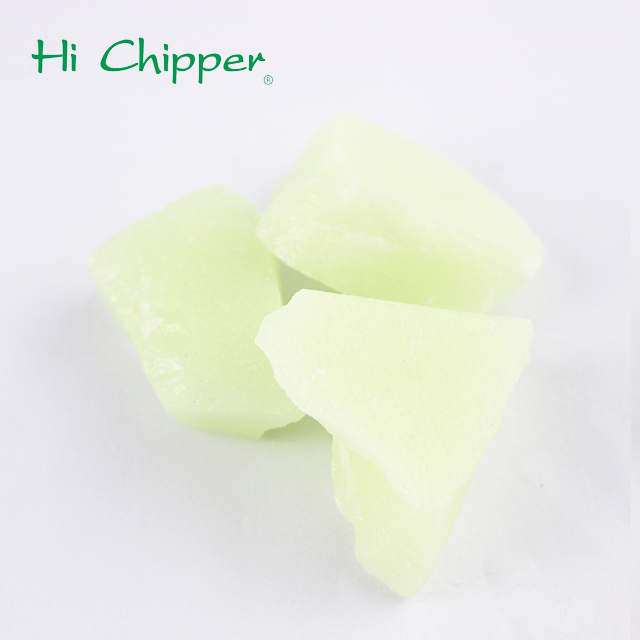
Matrix compatibility absolutely dictates your installation success. Luminescent chips perform best in pure epoxy terrazzo matrices rather than standard cementitious bases. Cementitious binders tend to coat and obscure the particles heavily. Clear or lightly tinted epoxy is essential. It allows maximum ambient light penetration down into the floor. This light charges the aggregate effectively. Dark, heavily pigmented resins will block light waves and severely weaken the nighttime glow.
You must calculate precise aggregate loading ratios before mixing. Over-saturation makes the floor look overly synthetic and drives up material budgets unnecessarily. Under-saturation leaves patchy, disconnected glowing spots that fail to form a cohesive pathway. We strongly recommend a strategic aggregate blend for optimal results. Mix roughly 80% standard Terrazzo Glass with 20% Glow Glass Chips. This exact ratio manages project costs perfectly while achieving a striking, highly visible uniform effect.
Grinding and polishing pose distinct on-site risks. Aggressive early-stage grinding often causes severe installation trouble. Using improper, highly aggressive metal-bonded diamonds too quickly can cause massive chip pull-out. The harsh abrasive action simply yanks the hard glass pieces out of the softer curing resin. You must utilize progressive resin-bonded polishing sequences instead. Start carefully and move methodically through the grits. This approach clearly exposes the luminescent core. It smooths the surface beautifully without fracturing the delicate glass structure inside the matrix.
Choosing the correct luminescent aggregate requires a highly methodical approach. First, you must match your specific chip size to the intended floor thickness. Sizes typically range from Size 0 (very fine, roughly 1/16 to 1/8 inch) through Size 3 (larger chunks, roughly 1/4 to 3/8 inch). A thin-set epoxy application strictly requires smaller sizes to prevent the glass from protruding above the resin binder. Deeper concrete pours can safely accommodate larger, thicker pieces for a bolder visual impact.
You must also carefully account for daytime versus nighttime color variance. A glass chip might look entirely clear, white, or pale yellow during the daytime. However, it may glow intense green, vibrant aqua, or bright blue at night. Always advise specifiers and clients to request dual-state samples. Viewing the material physically in both lighting conditions prevents unwanted aesthetic surprises after the floor cures.
Before finalizing your specification, take several crucial next-step actions. Always request physical technical samples for your engineering team. Review the manufacturer’s Material Safety Data Sheet (MSDS) thoroughly. Confirm the strontium aluminate formulation is completely non-toxic, lead-free, and non-radioactive. Finally, always conduct a small physical mock-up pour directly on site. This vital step validates the ambient light charge threshold. You need to ensure the specific installation environment actually provides enough daily lux to activate the glow properly.
Integrating photoluminescent elements fundamentally upgrades modern surface design. Glow Glass Chips bridge the crucial gap between high-end architectural aesthetics and practical commercial safety functionality. They transform passive floors into active navigation tools without compromising your daytime design vision.
To maximize your project's success, consider these final action steps:
Validate local lighting conditions early to guarantee the aggregate receives adequate daily charging energy.
Partner closely with your epoxy supplier to secure highly transparent resins that amplify particle visibility.
Standardize your polishing protocols before the main pour to prevent surface defects and material pull-out.
Confirm exact chip sizing requirements based on your specific floor thickness and binder type.
We encourage architects, designers, and commercial contractors to move forward confidently. Request a comprehensive technical data sheet today. Order a physical sample kit to observe the daytime and nighttime color shifts firsthand. Speak directly with a dedicated aggregate specialist to calculate precise volume requirements for your upcoming build.
A: It is typically mirrored terrazzo glass or crushed clear glass aggregate. Designers use it to reflect overhead light and add brilliant sparkle. Glow Glass Chips take this visual effect further. Instead of just reflecting external beams, they absorb energy and emit their own light in the dark. This creates an active, functional surface rather than a purely decorative one.
A: When suspended in a commercial-grade epoxy matrix, the physical glass lasts the lifetime of the floor itself. It strongly resists wear and scratching. The photoluminescent properties of premium strontium aluminate chips are exceptionally durable. They actively charge and emit light for 15 to 20+ years. You will experience minimal degradation in glowing capacity over this timeframe.
A: Yes, absolutely. Many modern installations use 100% glass aggregate formulations. Standard Terrazzo Glass offers significant advantages over traditional stone. It provides a broader color spectrum for exact branding matches. Furthermore, glass features zero porosity. It delivers superior, long-lasting resistance to chemical staining and bacterial growth in high-traffic commercial environments.
A: No. While direct sunlight provides the fastest and most intense charge, it is not strictly necessary. Standard commercial indoor LED panels or fluorescent lighting fixtures are fully sufficient. They provide enough ambient lux to charge the photoluminescent particles effectively. As long as the floor receives regular daily indoor light, it will emit a reliable nighttime glow.
