
- All
- Product Name
- Product Keyword
- Product Model
- Product Summary
- Product Description
- Multi Field Search
Views: 326 Author: Site Editor Publish Time: 2026-02-19 Origin: Site


Sandblasting and surface preparation are expensive tasks. If you use glass blasting media, you probably wonder if you can get more than one use out of your material. The short answer is yes, you can. However, reusing it requires more than just scooping it off the floor. It involves understanding the breakdown of crushed glass particles and knowing when the fine grit no longer provides the abrasive force you need.
Reusing glass blasting media is an eco friendly choice that lowers your overhead costs. It reduces waste and saves time on logistics. Whether you work in a small shop or a large industrial facility, mastering the reclamation process is key. This guide explores the "how-to" of recycling your abrasive glass, the technical limits of the material, and the equipment needed to keep your blasting operations efficient and profitable.
Before you attempt to recycle your abrasive, you must understand the nature of the material. Glass blasting media is an amorphous silica product. Unlike steel shot, which is extremely durable, glass is designed to shatter upon impact. This shattering action is what cleans the surface without removing much of the underlying metal.
Every time a coarse particle hits a surface, it breaks into smaller pieces. Eventually, these pieces become fine grit or even dust. If the particles are too small, they lose their kinetic energy. They won't remove rust or paint effectively. Generally, high-quality crushed glass can be reused 2 to 5 times depending on the blasting pressure and the hardness of the workpiece. If you are working on soft aluminum, the media lasts longer. If you are blasting heavy rust off structural steel at 100 PSI, it might only survive one or two passes.
To check if it is still good, look at the color and texture. Clear glass that has turned into a gray, opaque powder is likely spent. We recommend a simple sieve test. If more than 50% of the media passes through a much finer mesh than its original rating, it is time to retire that batch.
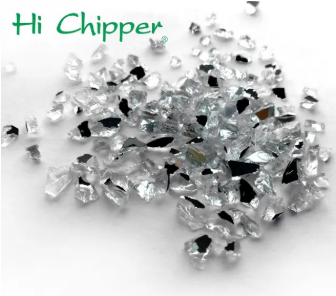
To successfully reuse glass blasting media, you need a way to collect it. In a professional industrial setting, this is usually done through a blast cabinet with a hopper or a dedicated blast room with a floor recovery system. If you are working outdoors, you might use heavy-duty tarps, but this increases the risk of contamination.
Manual Recovery: This involves sweeping up the crushed glass and manually pouring it through a screen. It is cheap but slow. It also exposes workers to more dust.
Pneumatic Recovery: These systems use a vacuum to suck up the used glass blasting media. The air stream helps separate the heavy, reusable particles from the light dust and debris.
Mechanical Recovery: These use screw conveyors or bucket elevators. They are best for high-volume industrial applications where the media is moved constantly.
The goal of any system is to get the media back to the pressure pot while removing the "trash." Trash includes paint chips, rust flakes, and the pulverized glass dust that no longer helps the process.
You cannot just put dirty glass blasting media back into your machine. Contaminants will clog your nozzle. More importantly, if you are working on a clear or sensitive surface, leftover debris from a previous job could scratch or contaminate your new workpiece.
The most critical step in reuse is sifting. You need a vibratory screen or a rotary trommel.
Top Screen: This catches the big stuff like large paint flakes or metal burrs.
Middle Screen: This retains the coarse or medium-sized glass blasting media that still has "bite."
Bottom Collection: This is where the fine grit and dust settle for disposal.
Most high-end blast cabinets use an air wash. As the media falls through the reclaimer, a stream of air blows across it. The air carries away the light dust while the heavier, reusable crushed glass falls back into the storage hopper. This process is essential for maintaining a dustless-style environment. Without air washing, your cabinet visibility will drop to zero within minutes of reusing old media.
If you want to maximize the life of your glass blasting media, your equipment must be up to the task. Standard siphon-fed cabinets are generally harder on media than pressure pots.
The cyclone is the "heart" of media reuse. It uses centrifugal force to separate particles based on weight.
Heavy Particles: These are the reusable glass blasting media grains. They hit the walls of the cyclone and fall down.
Light Particles: These are the dust and shattered glass. They stay in the center of the air vortex and get sucked into the dust collector.
A worn-out nozzle changes the spray pattern and can cause more media to shatter unnecessarily. Using a Boron Carbide nozzle ensures a consistent stream. This helps you maintain the integrity of your fine grit for more cycles.
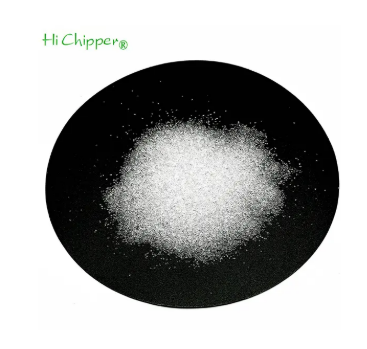
A common mistake in the industry is blasting at the highest possible pressure. While this works fast, it destroys your glass blasting media instantly. To reuse media, you must find the "sweet spot" where the abrasive cleans the surface but doesn't pulverize itself.
If you are using coarse glass to remove heavy scale, try starting at 60-70 PSI instead of 90-100 PSI. You might find that the cleaning speed is almost the same, but your media stays intact for two extra rounds. This makes your process much more eco friendly because you are generating less waste per square foot cleaned.
Don't blast at a 90-degree angle to the surface. This causes the glass to hit the surface and bounce directly back into the incoming stream. This "collision" shatters the glass. Instead, use a 45 to 60-degree angle. The glass will "shear" the contaminant off and slide away, preserving the particle size. This technique is especially useful when using fine grit for satin finishes.
Used glass blasting media is "thirsty." Once glass has been crushed and blasted, it has more surface area. It will absorb moisture from the air very quickly. If your recycled media gets damp, it will clump together and stall your blast pot.
Climate Control: Keep your reclaimed crushed glass in a dry area.
Sealed Containers: If you aren't using the media immediately, store it in sealed plastic drums rather than open bags.
Water Traps: Ensure your air compressor has high-quality water separators and dryers. If you pump wet air into your pot, you will ruin your chances of reusing the media.
We have found that in humid environments, even a few hours of exposure can make fine grit glass unusable. Always run your air dryers for at least 15 minutes before you start a reclamation cycle to purge any sitting water from the lines.
You cannot reuse glass blasting media forever. Eventually, it becomes "spent." Using spent media is a waste of electricity and labor.
Slow Production: If it takes twice as long to clean the same part, the media is too fine.
Excessive Dust: If your dust collector is working overtime or the cabinet stays cloudy, the glass has turned to flour.
Surface Finish Changes: If you started with a coarse profile and now the surface looks polished, your abrasive has lost its sharp edges.
Since glass blasting media is usually made from recycled bottle glass, it is chemically inert. However, once you use it, it contains whatever you blasted off. If you blasted lead paint or chrome, the waste is now hazardous. Always test your spent dust before disposal to ensure you follow local industrial environmental laws.
The economics of glass blasting media are compelling. While it is cheaper than garnet or aluminum oxide, the costs of shipping and disposal add up.
If you buy crushed glass at $0.50 per pound and use 100 pounds for a job, your cost is $50. If you can reuse that same 100 pounds three times, your effective cost drops to about $16 per job. In an industrial setting where you use tons of media per month, this translates to thousands of dollars in savings.
Using glass blasting media is already better for the planet than using slag or mined minerals. By reusing it, you reduce the carbon footprint of your project. You minimize the energy used in transportation and the volume of material sent to landfills. It is a win-win for the business owner and the environment.
Yes, but it is harder to screen. You usually need to let the media settle in a tank and then use a hydrometer or specific gravity test to see if the particles are still large enough. Most people find it easier to use the media until it is too fine and then replace it entirely in vapor blasting systems.
No. Glass beads are spherical and have more structural strength. Crushed glass is angular and has "points" that break off easily. You will generally get more cycles out of beads, but crushed glass is better for aggressive cleaning.
Not really. Clear glass is the most common, but brown or green glass works the same. The only time it matters is if you are worried about color transfer on very light-colored stone or specific plastics.
Always use a high-cfm dust collector and an air-wash reclaimer. Reused glass naturally has more fine grit and dust than new glass, so your ventilation system must be in top shape.
Reusing glass blasting media is a smart, industrial practice that saves money and protects the environment. By investing in a proper reclamation system, monitoring your blasting pressure, and screening out the dust, you can extend the life of your abrasive significantly. Whether you are using coarse glass for heavy-duty rust or fine grit for a delicate finish, the principles of cleaning and sifting remain the same.
Mastering this process turns a consumable expense into a long-term asset. Keep your equipment dry, your screens clean, and your impact angles sharp. You will see the results in both your surface finishes and your bottom line.
At Hichipper, we have spent over 20 years perfecting the art of recycled glass products. We operate a massive, world-class factory in China with an annual production capacity of over 30,000 tons. We aren't just a supplier; we are an industrial leader in the B2B space, providing high-quality glass blasting media to clients across the globe. Our strength lies in our rigorous quality control and our ability to produce specialized crushed glass in various sizes, from coarse to fine grit. We understand the needs of professional blasters because we live and breathe glass processing every day. If you need a reliable partner for your surface preparation needs, we have the scale, the experience, and the technical expertise to deliver.

