
- All
- Product Name
- Product Keyword
- Product Model
- Product Summary
- Product Description
- Multi Field Search
Views: 0 Author: Site Editor Publish Time: 2026-01-16 Origin: Site


Crushed glass adds a unique texture to your paintings. It creates a dazzling, three-dimensional effect. From crystal-like textures to rock imitations, crushed glass enhances many painting styles.
In this article, we’ll guide you on how to add crushed glass to your artwork. You’ll learn key techniques and discover how Hi Chipper’s crushed glass can elevate your projects.
To successfully incorporate crushed glass into your painting, you need to gather the appropriate materials.
Crushed glass comes in a variety of types, each suited to different artistic purposes. Clear, colored, and even coated crushed glass are all available for use. Clear crushed glass, being transparent, is ideal for applications that maintain the original translucency of your painting. Colored and coated glass, on the other hand, can be used for more decorative and vibrant effects.
If you're using the glass for textured effects, larger shards of coarse crushed glass work best. For more intricate or subtle textures, fine crushed glass can be utilized. It's important to choose the right size and color to match the overall theme of your painting.
Tip: You can even purchase crushed glass that has been coated for extra protection or decorative shine, offering added longevity to your finished artwork.
Type of Crushed Glass | Color | Application | Size Range (mm) |
Clear Crushed Glass | Colorless | Ideal for transparent applications, preserving light transparency | 0.1 - 3.0 |
Colored Crushed Glass | Various Colors | Used for decorative purposes, adding bold color effects | 1.0 - 9.0 |
White Crushed Glass | White | Best for bright, clean, and light-focused decoration | 1.0 - 6.0 |
Coated Crushed Glass | Various Colors | Offers extra protection or decorative sheen, ideal for added sparkle | 1.0 - 6.0 |
Crushed Glass Glitter | Various Colors | Adds glitter effect, perfect for art projects requiring shine | 0.1 - 3.0 |
Aside from the glass itself, you will need a few other materials:
● Canvas or a suitable painting surface.
● Acrylic paint or another base layer for your artwork.
● Clear adhesive like liquid varnish, resin, or acrylic gel medium.
● A hammer (if you plan to crush the glass yourself).
● Safety gear (protective gloves and goggles).
While crushed glass can add stunning visual elements to your artwork, it’s essential to handle it with care. Always wear protective gloves and goggles to avoid injury from sharp shards. It's also advisable to work on a solid surface, like concrete, and cover your workspace with a drop cloth to protect your surroundings.

You have two main options for obtaining crushed glass: buying it pre-crushed or making it yourself. Both methods come with their advantages.
Making your own crushed glass can be both satisfying and cost-effective. Here's how to do it:
1. Begin by heating glass stones (available at home décor or craft stores) in a pot for around 5-10 minutes.
2. Carefully drop the hot glass into a bowl of ice water. The temperature change causes the glass to crack.
3. After draining and drying the pieces, wrap the glass in a cloth and smash it using a hammer. This will give you the desired shards of glass.
This method gives you complete control over the size and texture of the glass, allowing you to tailor the crushed pieces to your project.
Tip: Be cautious while smashing the glass. Protective eyewear and gloves are a must.
If you prefer convenience, ready-made crushed glass is available. This option saves time but may cost more than making your own. Ready-made glass often comes in a range of colors and sizes, giving you flexibility depending on your project’s needs.
The adhesive you use will significantly affect the final look and durability of your painting. Choosing the right one depends on the texture, finish, and overall effect you're aiming for.
For beginners, liquid varnish is an excellent choice. It dries clear and provides a smooth, glossy finish. Resin, however, creates a more luxurious, glass-like appearance and can be applied in layers for a high-shine effect. Resin also helps to bond the crushed glass securely to the painting surface.
Tip: For extra depth and dimension, apply a second layer of resin over the first to seal in the glass pieces.
To apply your adhesive, simply brush a thin, even layer onto the canvas or your painting surface. Once the adhesive is in place, you can begin adding the crushed glass pieces. Be sure to press the glass gently into the adhesive to ensure they adhere properly.
Adhesive Type | Effect | Best for | Drying Time |
Liquid Varnish | Glossy, smooth finish | Beginners and simple applications | 1-2 hours |
Resin | High-gloss, durable finish | Professional artists, layered textures | 24-48 hours |
Acrylic Gel Medium | Matte, textured finish | Mixed media projects, adding depth | 1-2 hours |
There are various techniques for applying crushed glass depending on the effect you wish to create. Let’s explore both beginner and advanced methods.
The simplest method is to apply a layer of adhesive to your canvas and then sprinkle crushed glass on top. You can use a paintbrush to apply the adhesive or simply pour it directly onto the canvas. Once the glass is sprinkled, lightly press it into the surface.
For more advanced applications, consider applying a thicker layer of gel medium or adhesive. Press larger chunks of crushed glass into the adhesive for a more dramatic, textured effect. This technique works well for abstract designs or when you're aiming to create depth in the painting.
You can build up layers of crushed glass to add dimension to your painting. After each layer dries, apply a second layer of adhesive and more glass. This creates a multi-dimensional look that makes your painting feel more tactile.
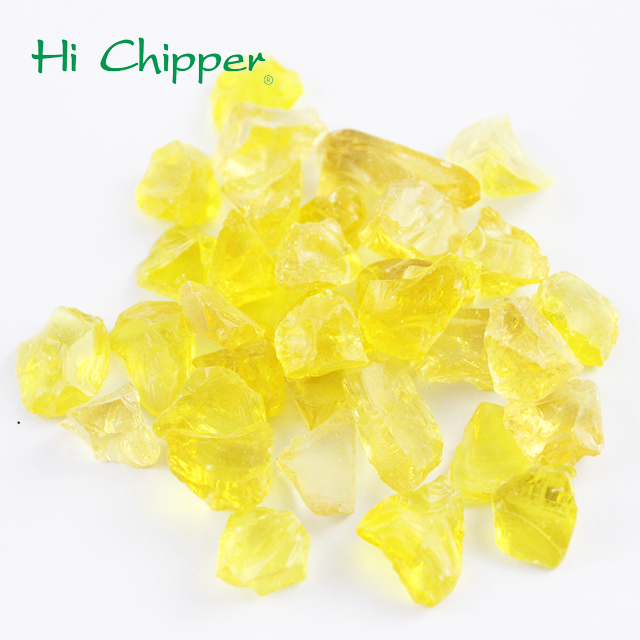
If you're unable to find the exact color of crushed glass that matches your vision, you can color it yourself.
Coloring crushed glass is easy and can be done using paint, spray paints, or dyes. Once you have your crushed glass, apply the dye or paint, and allow it to dry completely before using it in your artwork.
Tip: To create gradient effects, you can vary the amount of dye applied to different pieces of glass, giving you more control over the final outcome.
Clear glass allows for more subtle, translucent effects, while colored glass provides a vibrant, bold visual impact. Decide based on whether you want your glass to blend into the background or stand out as a focal point.
Working with crushed glass in your artwork can present some challenges, but these are easy to manage with the right techniques.
Sometimes, pieces of crushed glass can fall off the canvas if the adhesive isn’t strong enough or the application process wasn’t followed carefully. To prevent this, use a durable resin or acrylic gel medium, and be sure to apply enough adhesive.
Crushed glass has sharp edges, which can be dangerous if mishandled. Always wear protective gloves, and consider smoothing the edges using a file if you find that they’re too sharp for your liking.
Incorporating crushed glass into mixed media projects, such as acrylic pours or resin art, can be tricky. Make sure the other materials you’re using can adhere to the glass without issue. Experiment with different combinations to find the best fit for your project.
Challenge | Issue | Solution |
Glass Falling Off the Canvas | Inadequate adhesion causing glass to detach | Use a thicker layer of resin or acrylic gel medium to ensure a strong bond. |
Sharp Edges | Handling or applying crushed glass with sharp edges | Wear gloves and use smoothening tools to file down edges, or opt for smaller pieces. |
Difficulty in Layering | Building up multiple layers of glass can cause uneven texture | Apply adhesive in thinner layers, allowing each to dry fully before adding more glass. |
Crushed glass can be used in a variety of artistic projects, offering endless possibilities for texture and design.
Geode art is one of the most popular applications for crushed glass. The glass mimics crystals, and its light-reflective qualities create stunning, realistic geodes. Use clear glass for an authentic look, or opt for colored glass to add vibrancy.
Crushed glass is perfect for adding realistic textures in landscape or seascape paintings. Use glass to simulate ocean waves, rocky cliffs, or even sandy shores. The reflective properties of glass bring these natural elements to life in a new way.
Crushed glass can also be paired with other materials, like beads, glitter, or resin, for a mixed media effect. Experiment with different combinations to create layered, multi-dimensional artwork that stands out.
Once you've completed your glass application, it's time to seal and finish your artwork.
To preserve your artwork, apply a final layer of clear varnish or resin. This not only helps protect the glass but also gives the painting a glossy, professional finish.
Resin creates a durable, shiny finish that encapsulates the crushed glass and gives your painting a polished look. Be sure to follow all instructions carefully to ensure the resin cures properly.
Once dry, your painting is ready to display. Whether you choose to frame it or hang it as is, ensure that it's secured properly, especially if your painting is heavy due to the glass.
Incorporating crushed glass into your paintings adds texture, dimension, and shimmer. Whether creating geodes, landscapes, or abstract art, this medium offers endless creative possibilities. By following the steps in this guide, you can achieve stunning results with ease. Hi Chipper offers crushed glass products that can elevate your projects, bringing a unique and dazzling touch to your artwork.
A: Crushed glass is a decorative material that adds texture, shimmer, and dimension to paintings. It is often used in abstract, geode, and landscape art to create a three-dimensional effect.
A: To apply crushed glass, first coat your canvas with adhesive like liquid varnish or resin. Then, sprinkle or press the glass into the wet surface for a textured, sparkling finish.
A: Crushed glass enhances the visual impact of your artwork by adding depth, texture, and a unique shine. It’s especially effective in creating crystal-like or rocky textures.
A: Yes, crushed glass can be dyed using paints or dyes. This allows you to customize the color for your specific artistic vision.
