
- All
- Product Name
- Product Keyword
- Product Model
- Product Summary
- Product Description
- Multi Field Search


Crushed glass adds texture and sparkle to various projects. Have you ever used it in art or landscaping? Its reflective qualities make it ideal for many applications.
In this article, we will explore how to use crushed glass. You’ll learn how to prepare and apply it safely in your projects. Hi Chipper offers quality, eco-friendly glass for your creative needs.
Crushed glass is a material made by breaking down glass into smaller particles or shards. Its unique appearance and physical properties make it an ideal choice for a variety of uses, both artistic and practical. Whether it's adding texture to art or enhancing construction materials, crushed glass offers a high degree of versatility.
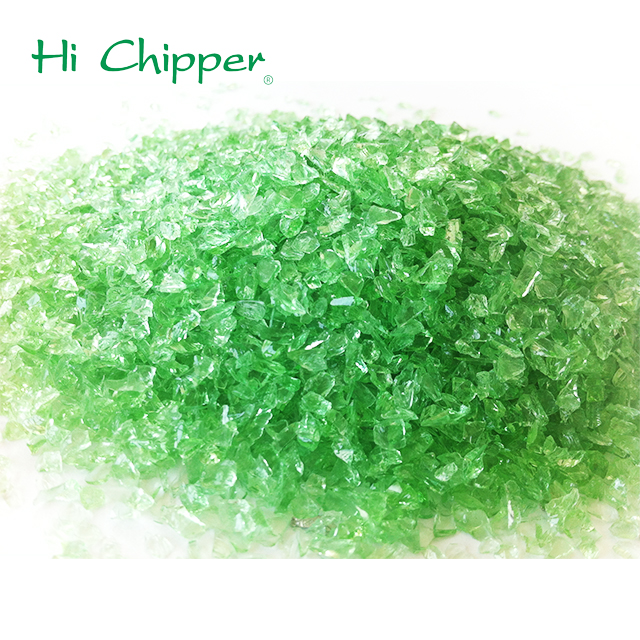
Crushed glass is not only beautiful but also sustainable. Being a recycled material, it helps reduce waste and promotes eco-friendly practices. Its reflective properties bring a touch of elegance to projects, while its durability ensures it can withstand harsh environments, making it suitable for both indoor and outdoor use.
Type of Crushed Glass | Appearance | Best For | Particle Size Range (mm) |
Clear Crushed Glass | Transparent, colorless | Applications requiring transparency or soft shimmer | 0.1 - 3.0 |
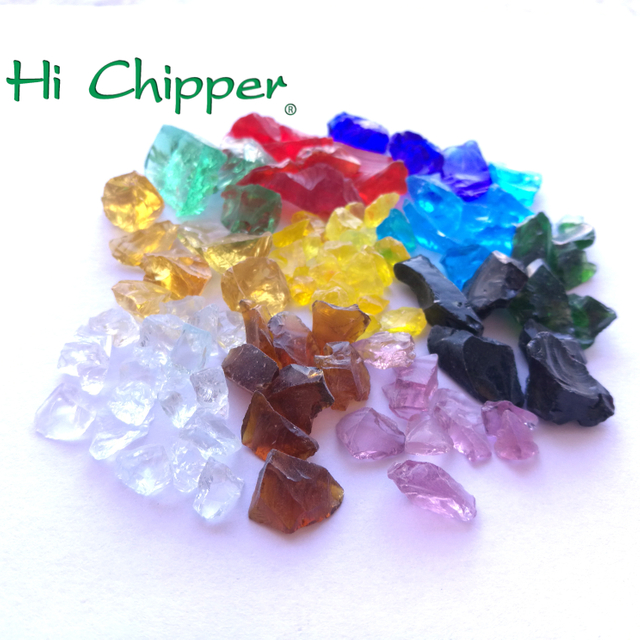
Colored Crushed Glass | Various colors | Decorative purposes or for vibrant accents | 1.0 - 9.0 |
White Crushed Glass | White | Bright, clean appearance for decorative needs | 1.0 - 3.0 |
Coated Crushed Glass | Varies by coating | Additional protection or for unique finishes | 1.0 - 6.0 |
Crushed Glass Glitter | Shiny and reflective | Arts and crafts requiring sparkle | 0.3 - 3.0 |
Crushing glass at home or purchasing pre-crushed glass are both viable options depending on your project. Proper preparation ensures that the glass is safe to use and meets your desired specifications.
To create your own crushed glass, select a clean, safe source of glass such as old bottles or glass pebbles. Using a hammer or mallet, break the glass into small, manageable pieces. Ensure to wear gloves, safety goggles, and a mask during the process to avoid injury from sharp shards or glass dust. Once crushed, store the glass in sealed bags or containers to avoid dust contamination.
If you prefer convenience, pre-crushed glass is available in various sizes and colors. It's widely used in art, landscaping, and construction projects for its consistent quality. Pre-crushed glass provides a uniform appearance, which is beneficial for projects that require exact specifications, such as mosaics or decorative flooring.
Regardless of whether you crush the glass yourself or buy it pre-crushed, it’s important to store it in a dry, cool place. Airtight containers or heavy-duty bags are ideal for storing crushed glass to prevent moisture absorption and contamination.
Particle Size | Best For | Recommended Uses |
Fine Crushed Glass (0.1 - 0.6 mm) | Smooth, subtle finishes | Jewelry, small mosaic projects, resin art |
Medium Crushed Glass (1.0 - 3.0 mm) | General use in artistic and decorative projects | Concrete, terrazzo, mosaic tiles, garden beds |
Coarse Crushed Glass (3.0 - 9.0 mm) | Heavy-duty projects and structural applications | Road base, concrete aggregate, landscaping |
Crushed glass can be used in a variety of creative projects. Its shimmer and texture make it an excellent choice for art, landscaping, and decorative pieces.
Artists love using crushed glass for its sparkle and texture. It's ideal for mosaics, jewelry, resin art, and more. By embedding crushed glass into resin or creating a mosaic with it, you can add dimension and light-reflective qualities to your work. Hi Chipper's colored crushed glass can add vibrant hues to any art project, from wall decor to intricate jewelry designs.
● Resin Art: Crushed glass is commonly used in resin art to create layered textures and shimmering effects. When mixed with pigments, it can produce stunning geode-inspired designs or enhance the beauty of abstract pieces.
● Mosaics and Jewelry: For smaller-scale projects, crushed glass makes an excellent addition to mosaics and jewelry. Its reflective properties help create eye-catching designs that stand out.
In landscaping, crushed glass can be used to add an aesthetic touch to pathways, garden beds, and water features. Its reflective properties provide a shimmering effect that enhances outdoor spaces.
● Pathways and Walkways: Crushed glass offers an eco-friendly alternative to traditional gravel or stone, providing a durable, visually appealing pathway.
● Garden Beds and Borders: As a replacement for mulch, crushed glass is more durable and won’t decompose, making it a long-lasting solution for garden beds.
● Water Features: Whether it’s around ponds, fountains, or pools, crushed glass adds a reflective, sparkling quality to water features, creating a beautiful visual effect.
Crushed glass is increasingly used in construction for its sustainability and durability. It is commonly added to concrete mixes to improve strength, as well as to asphalt for better skid resistance.
● Concrete Aggregate: Crushed glass is an excellent aggregate substitute in concrete, adding both aesthetic appeal and increased strength. It's also an environmentally friendly option, reducing the demand for raw materials like sand and gravel.
● Asphalt Additive: In road construction, crushed glass improves the skid resistance of asphalt while offering a reflective surface that enhances visibility.
Application Area | Description | Common Uses |
Art and Crafts | Adds texture, sparkle, and dimension to projects | Mosaics, jewelry, resin art, and decorations |
Landscaping | Enhances outdoor spaces with reflective qualities | Pathways, garden beds, water features |
Construction | Used as an aggregate or decorative material | Concrete, asphalt, road base, and flooring |
Water Filtration | Used in filtration systems | Swimming pools, water treatment facilities |
Crushed glass, while beautiful, can be dangerous if not handled properly. It is important to take safety precautions to avoid injury.
Always wear gloves, safety goggles, and closed-toe shoes when handling crushed glass. These materials can have sharp edges that can cause cuts or other injuries. If you’re working with large quantities of glass, a mask is also recommended to avoid inhaling glass dust.
Crushed glass can create fine dust particles that may be harmful if inhaled. Always work in a well-ventilated area, and clean up glass dust promptly using a vacuum or damp cloth. Avoid sweeping glass dust, as it can spread harmful particles into the air.
There are many different techniques you can use to incorporate crushed glass into your projects. The method you choose will depend on the specific look you are trying to achieve.
When working with resin, crushed glass can be mixed into the resin or sprinkled on top for added texture. The type of glass you choose—whether fine shards for subtle effects or larger pieces for bold accents—will dictate the final result.
● Resin Volume and Glass Amount: For best results, use around 1-2 tablespoons of crushed glass for every 100 ml of resin. Adjust the amount depending on the desired intensity and effect.
In mosaic projects, crushed glass can be arranged in intricate patterns or designs. The glass can be glued onto a surface and grouted to create beautiful works of art, from table decorations to wall art.
● Design Tips: Consider using different colors and sizes of crushed glass to add variety and interest to your mosaics. Ensure the glass pieces are securely attached with strong adhesive for durability.
Crushed glass offers several benefits, making it an appealing choice for a wide variety of projects.
Crushed glass is an eco-friendly material made from recycled glass. By using it in your projects, you help reduce landfill waste and lower the demand for raw materials. Additionally, its long lifespan means less frequent replacement, reducing the environmental impact over time.
Unlike organic materials like mulch, crushed glass does not decompose or fade, making it a long-lasting solution for both decorative and practical uses. It’s particularly useful for outdoor projects that require a durable material, such as landscaping and concrete.
Crushed glass is often more affordable than traditional building materials like sand or gravel. Its recycled nature also helps keep costs down, making it an economical choice for both large and small projects.
While crushed glass is a versatile material, there are a few common issues that can arise during use. Here's how to address them:
To ensure that crushed glass stays securely in place, be sure to use a high-quality adhesive or resin. Apply a generous amount of adhesive and allow it to dry fully before handling the project.
Crushed glass has sharp edges, which can pose a risk of injury. To avoid cuts, consider using smaller particles or smoothing out the edges. Handle larger pieces carefully, and always wear gloves during the process.
Proper maintenance helps to preserve the appearance and durability of your crushed glass projects.
To maintain the reflective quality of crushed glass, regularly clean it with a soft broom or leaf blower. For resin projects, wipe them gently with a microfiber cloth to prevent scratches.
Sealing your artwork with a thin layer of resin or clear varnish helps protect the glass and maintain its clarity. This is particularly important for outdoor projects exposed to the elements.
Crushed glass is a versatile and eco-friendly material that adds beauty and texture to various projects. Whether you're creating art, landscaping, or working in construction, it offers unique benefits that enhance your work. By using the right techniques and safety measures, you can fully enjoy its lasting appeal. Hi Chipper provides high-quality crushed glass products that bring both style and sustainability to your projects, ensuring they stand out for years.
A: Crushed glass is broken glass used for decorative and functional purposes. It's ideal for art, landscaping, and construction due to its texture, durability, and reflective qualities.
A: Always wear gloves, goggles, and a mask when handling crushed glass. Work in a well-ventilated area and store glass securely to avoid injury.
A: Yes, crushed glass works great in resin art, adding texture and sparkle. It can be mixed into resin or sprinkled on top for a shimmering effect.
A: Crushed glass enhances outdoor spaces by providing reflective qualities, durability, and a unique aesthetic. It’s perfect for pathways, garden beds, and water features.
